transcript, from the gallery:

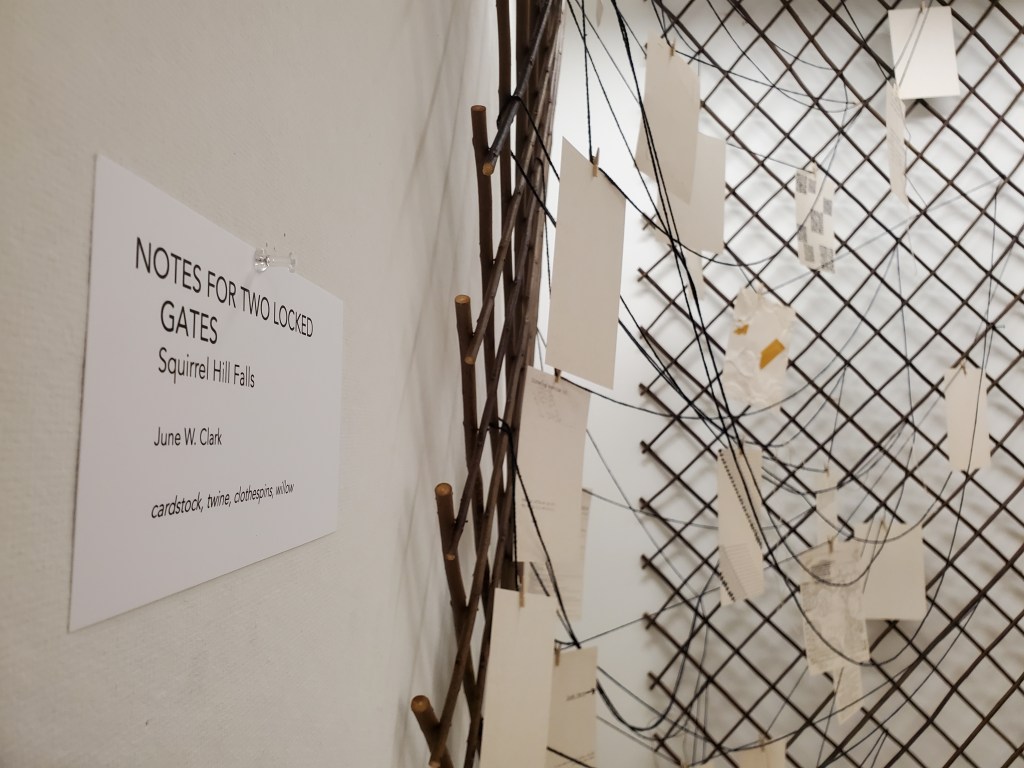
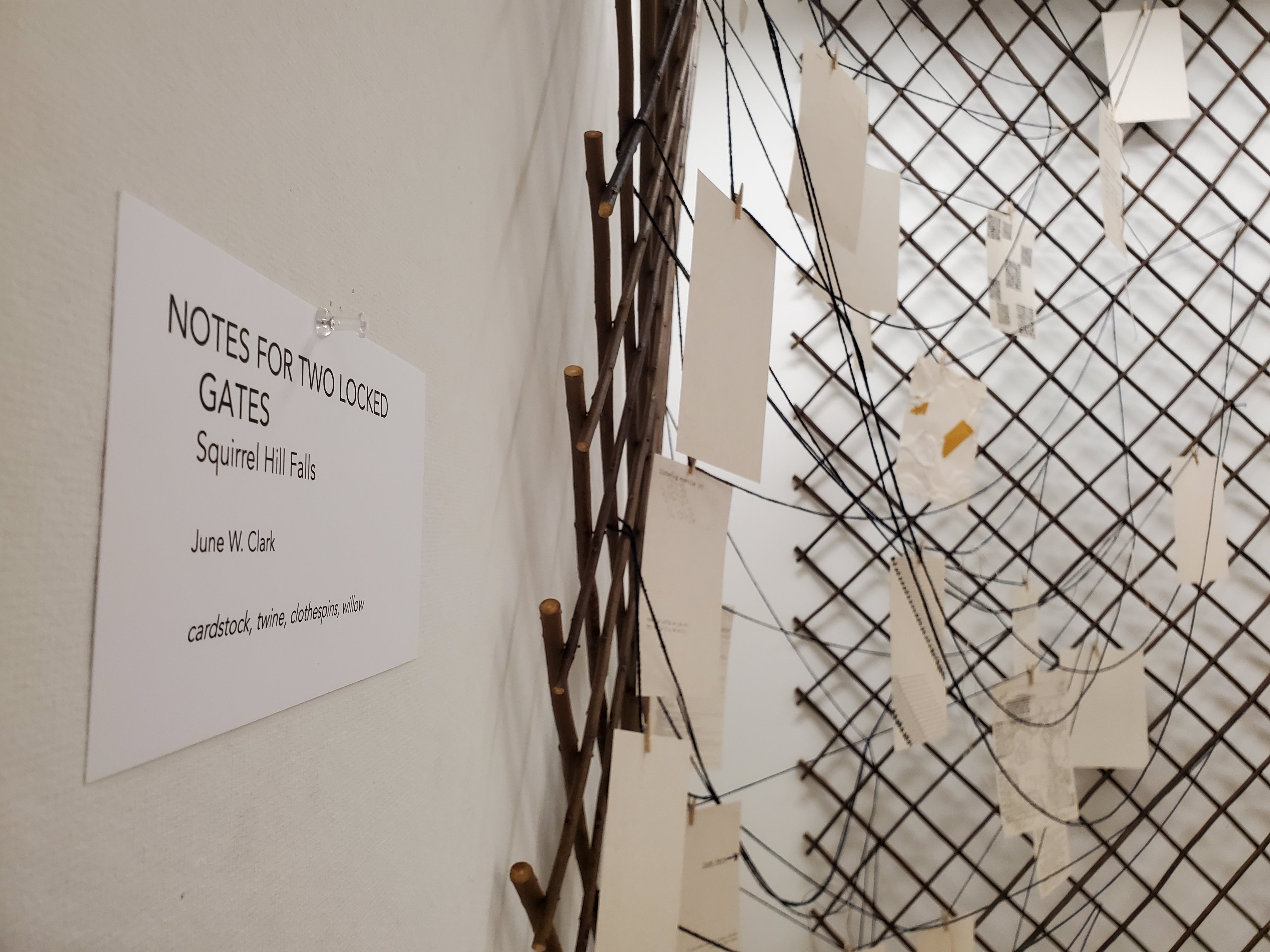
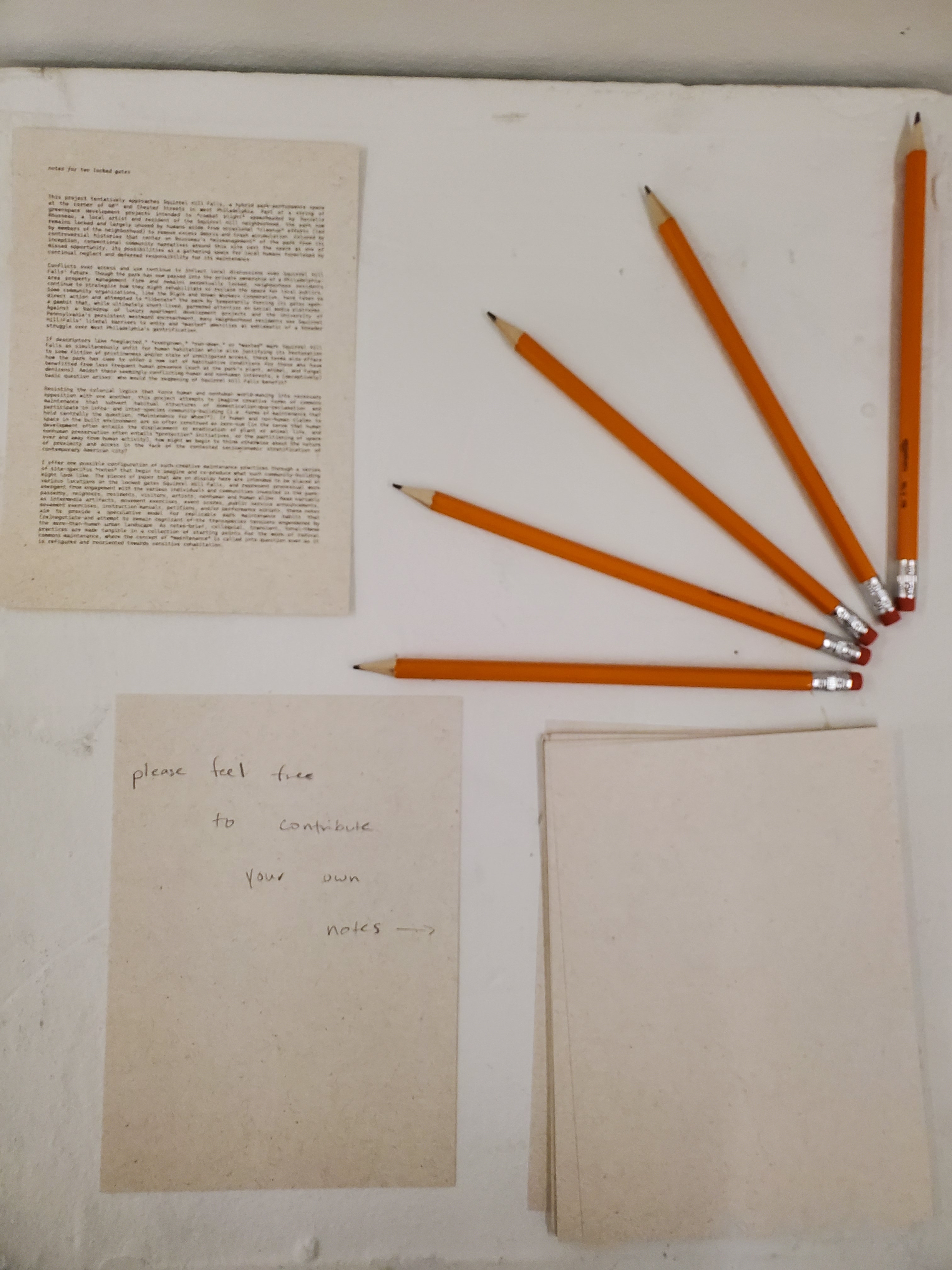
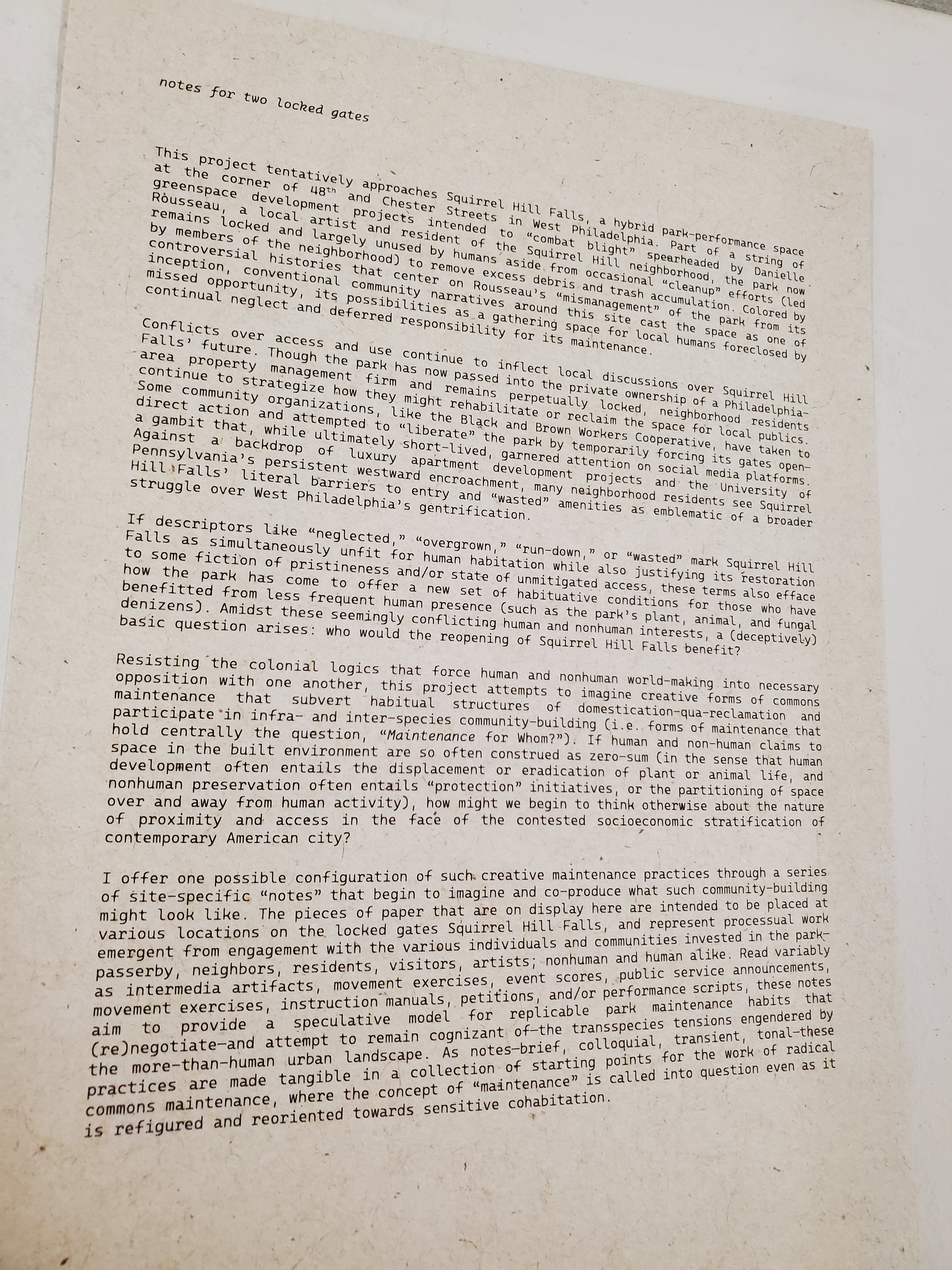
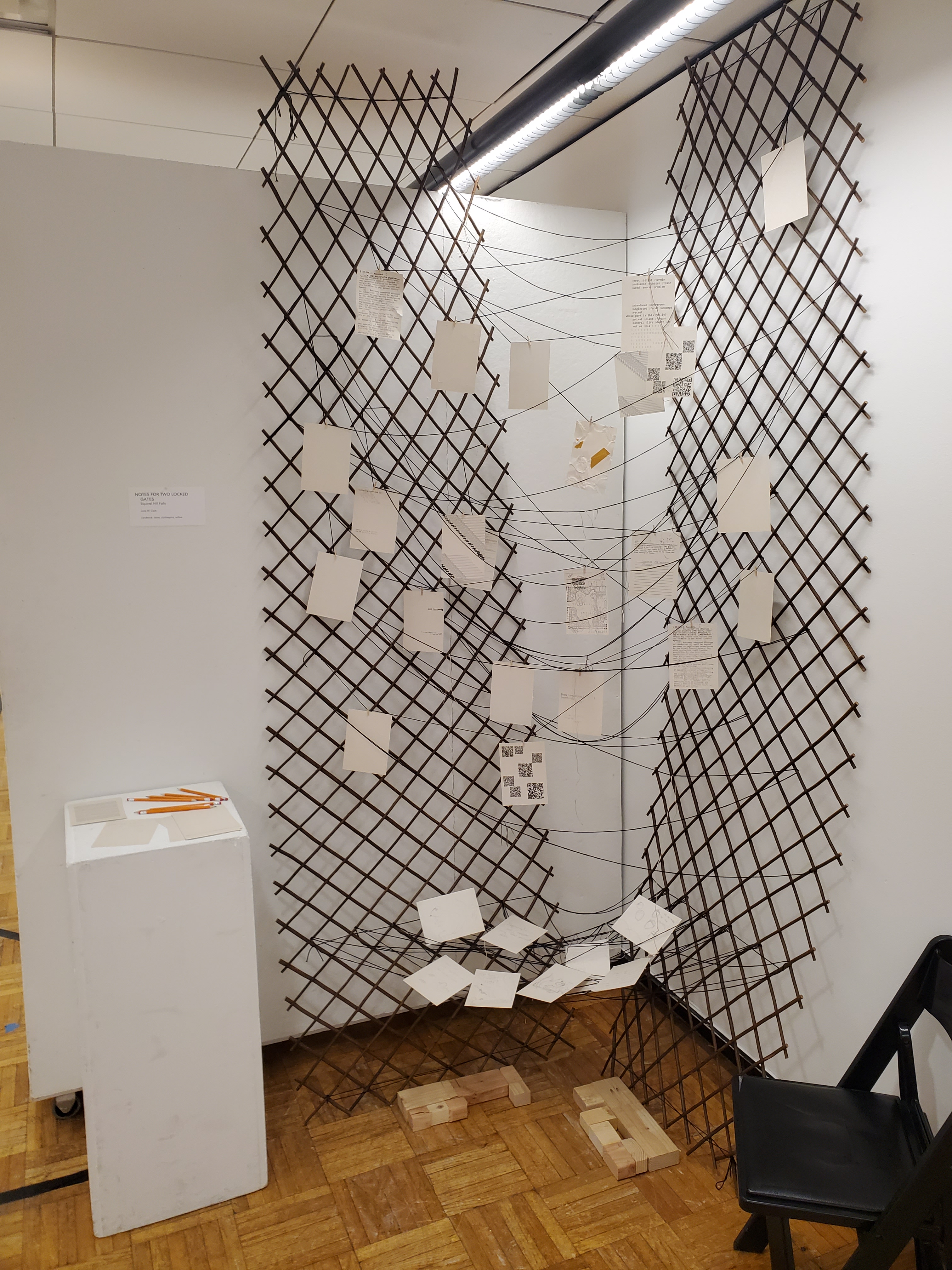
notes for two locked gates

This project tentatively approaches Squirrel Hill Falls, a hybrid park-performance space at the corner of 48th and Chester Streets in West Philadelphia. Part of a string of greenspace development projects intended to “combat blight” spearheaded by Danielle Rousseau, a local artist and resident of the Squirrel Hill neighborhood, the park now remains locked and largely unused by humans aside from occasional “cleanup” efforts (led by members of the neighborhood) to remove excess debris and trash accumulation. Colored by controversial histories that center on Rousseau’s “mismanagement” of the park from its inception in the 1980s, conventional community narratives around this site cast the space as one of missed opportunity, its possibilities as a gathering space for local humans foreclosed by continual neglect and deferred responsibility for its maintenance.

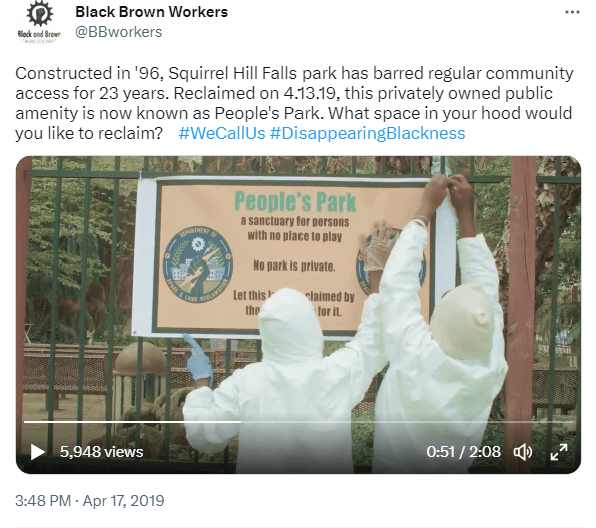
Conflicts over access and use continue to inflect local discussions over Squirrel Hill Falls’ future. Though the park has now passed into the private ownership of a Philadelphia-area property management firm and remains perpetually locked, neighborhood residents continue to strategize how they might rehabilitate or reclaim the space for local publics. Some community organizations, like the Black and Brown Workers Cooperative, have taken to direct action and attempted to “liberate” the park by temporarily forcing its gates open—a gambit that, while ultimately short-lived, garnered attention on social media platforms. Against a backdrop of luxury apartment development projects and the University of Pennsylvania’s persistent westward encroachment, many neighborhood residents see Squirrel Hill Falls’ literal barriers to entry and “wasted” amenities as emblematic of a broader struggle over West Philadelphia’s gentrification.

If descriptors like “neglected,” “overgrown,” “run-down,” or “wasted” mark Squirrel Hill Falls as simultaneously unfit for human habitation while also justifying its restoration to some fiction of pristineness and/or state of unmitigated access, these terms also efface how the park has come to offer a new set of habituative conditions for those who have benefitted from less frequent human presence (such as the park’s plant, animal, and fungal denizens). Amidst these seemingly conflicting human and nonhuman interests, a (deceptively) basic question arises: who would the reopening of Squirrel Hill Falls benefit?

Resisting the colonial logics that force human and nonhuman world-making into necessary opposition with one another, this project attempts to imagine creative forms of commons maintenance that subvert habitual structures of domestication-qua-reclamation and participate in infra- and inter-species community-building (i.e. forms of maintenance that hold centrally the question, “Maintenance for Whom?”). If human and non-human claims to space in the built environment are so often construed as zero-sum (in the sense that human development often entails the displacement or eradication of plant or animal life, and nonhuman preservation often entails “protection” initiatives, or the partitioning of space over and away from human activity), how might we begin to think otherwise about the nature of proximity and access in the face of the contested socioeconomic stratification of the contemporary American city?

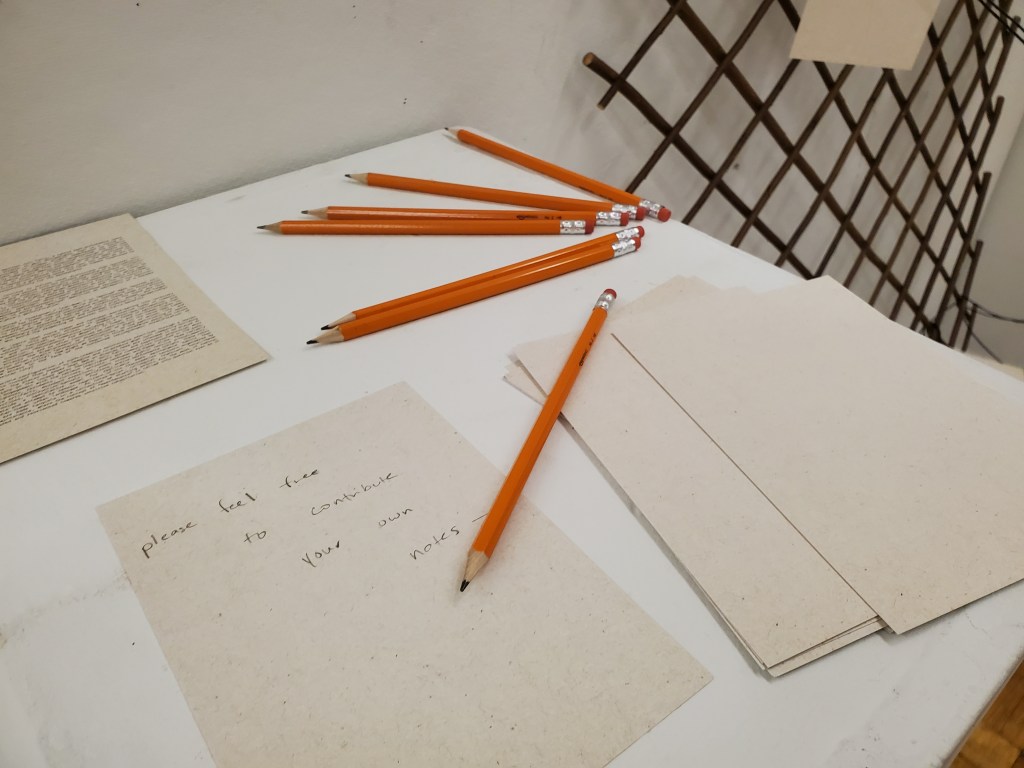
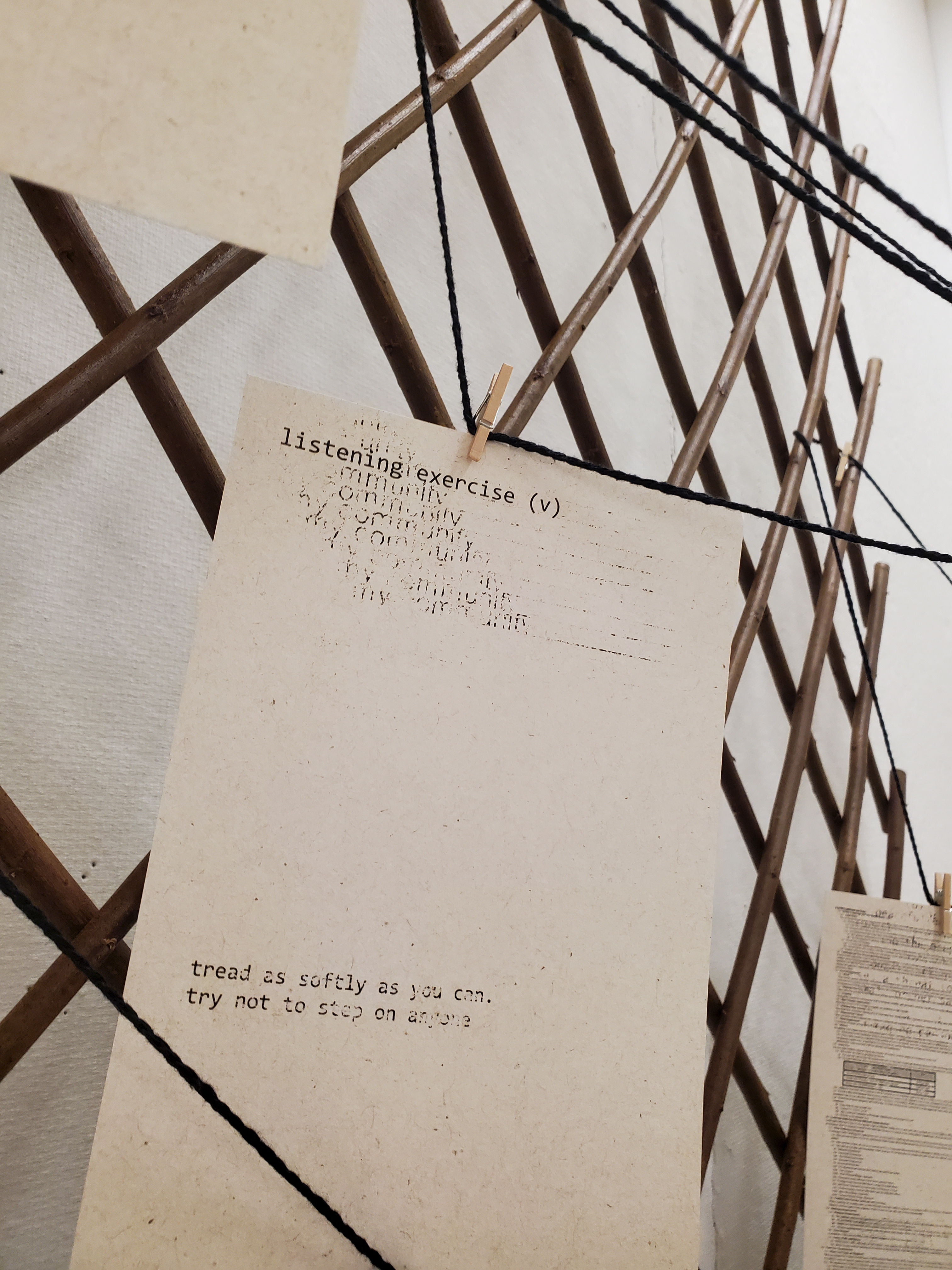
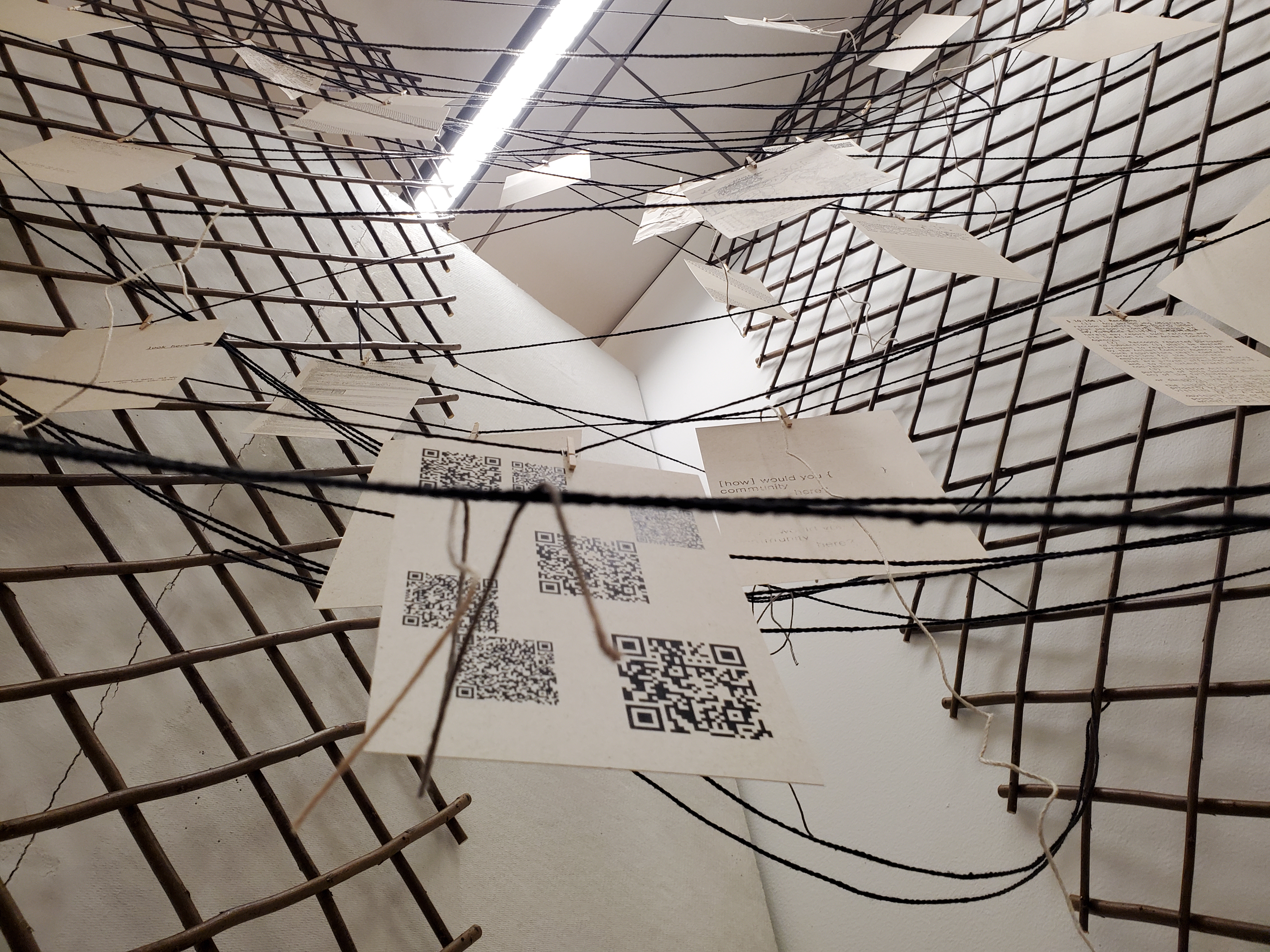
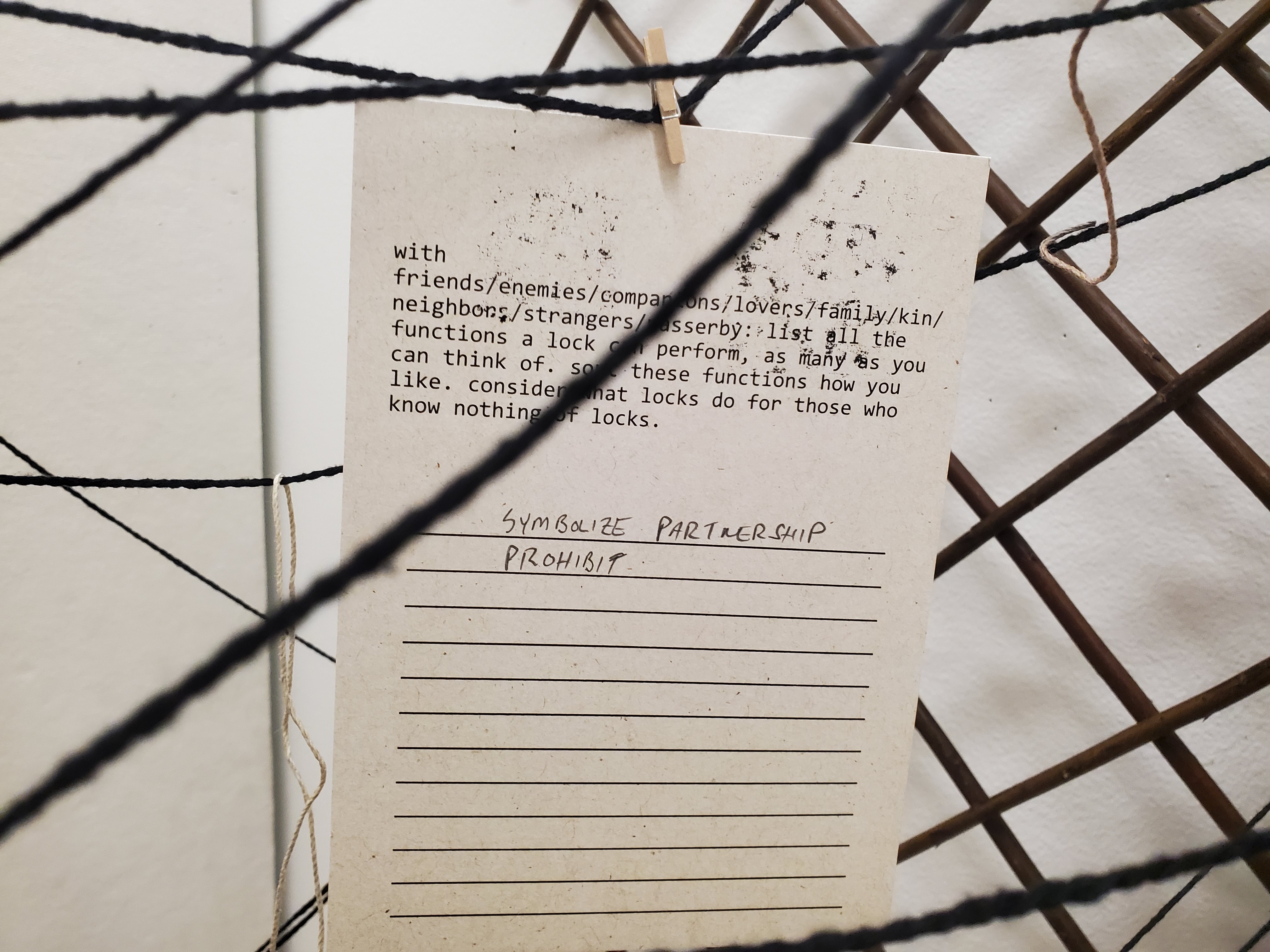
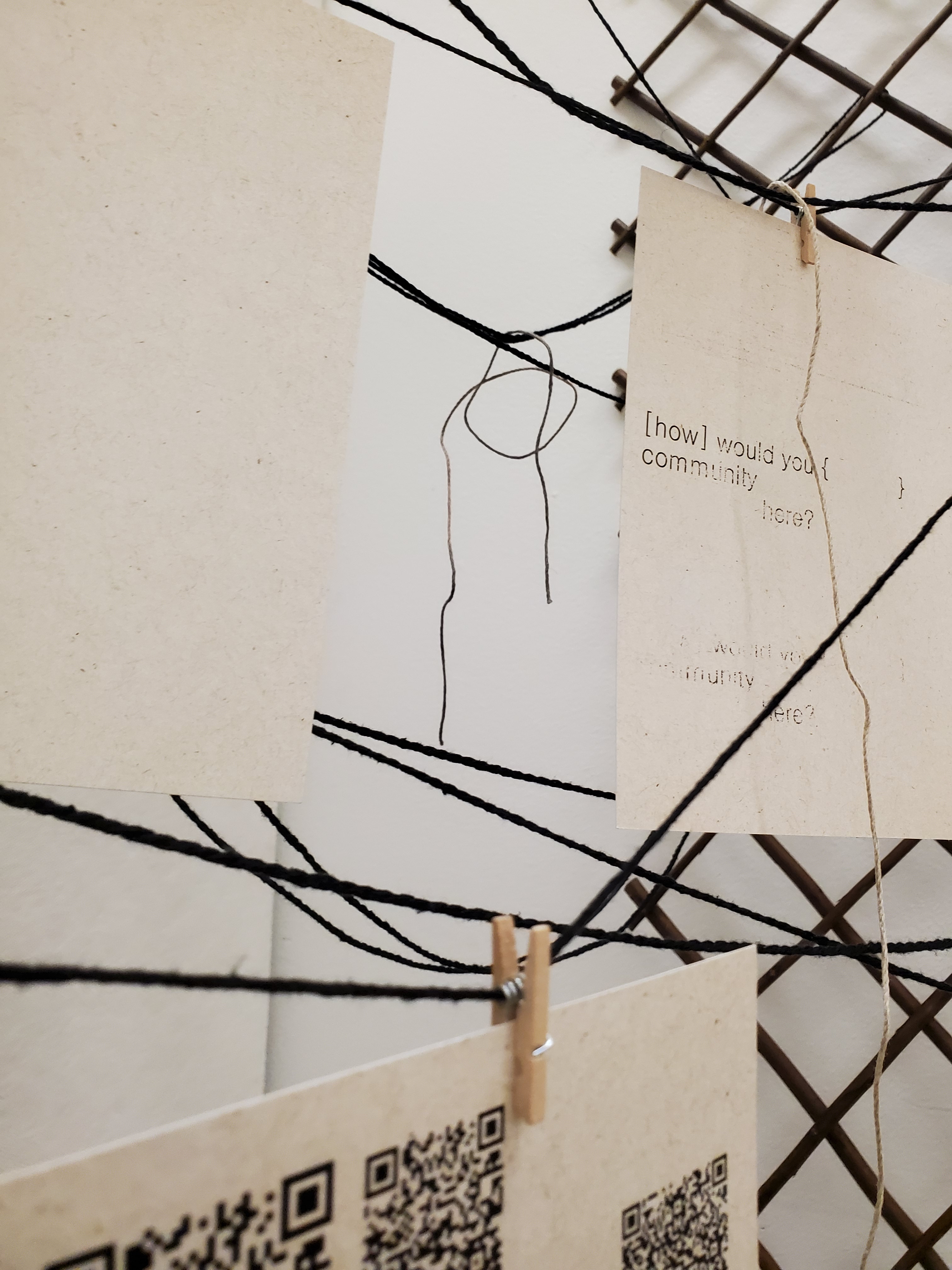
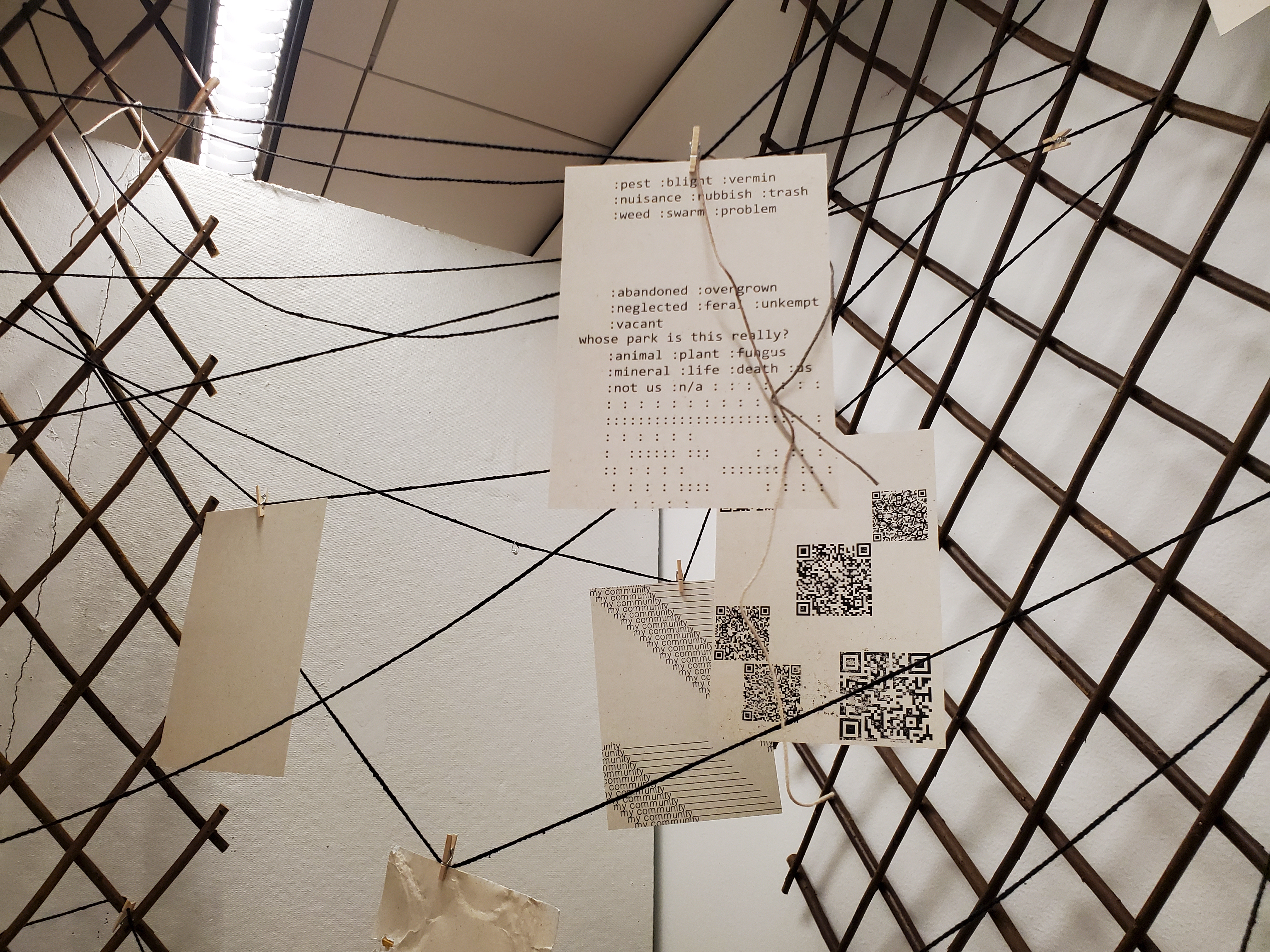
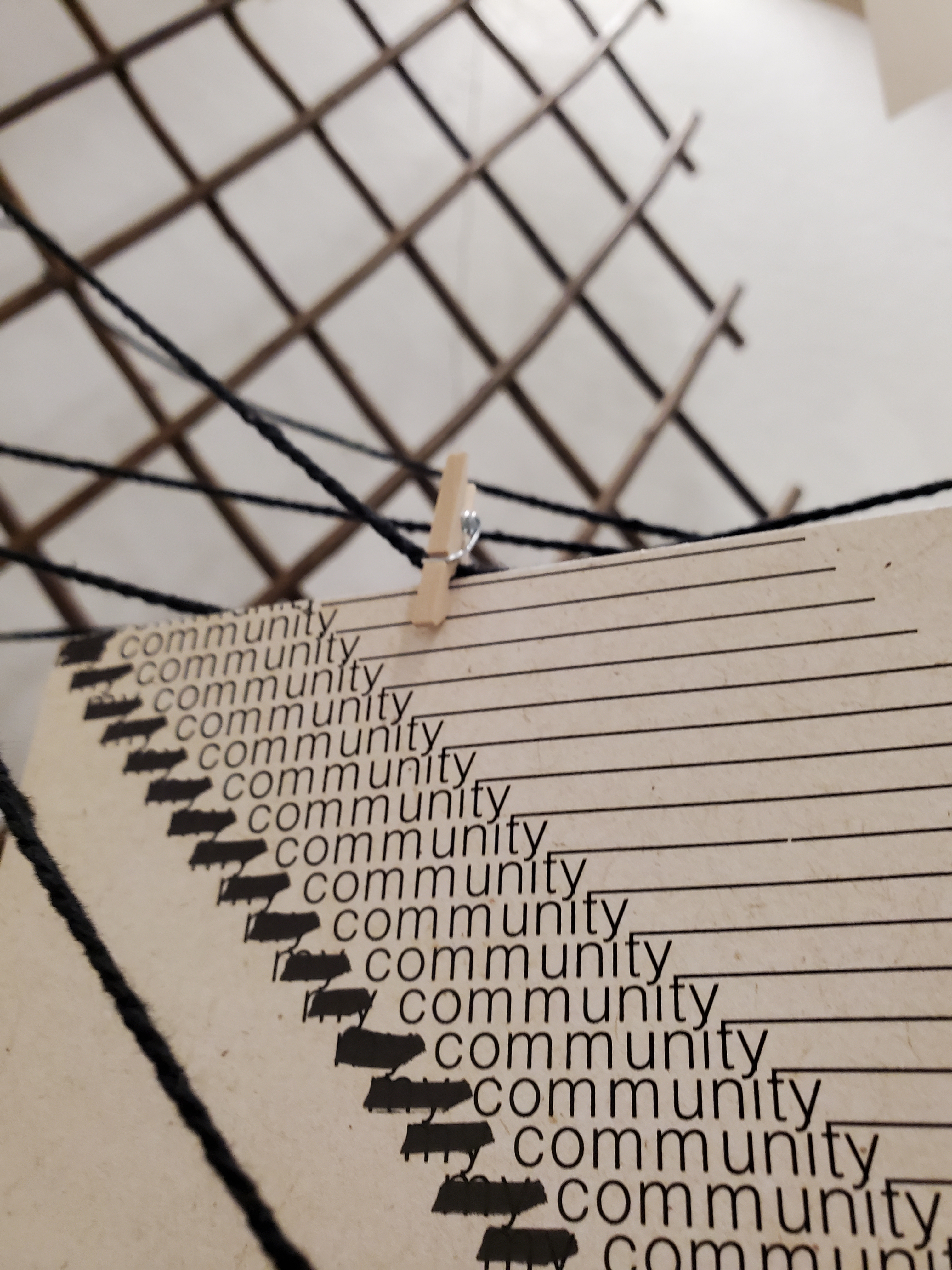
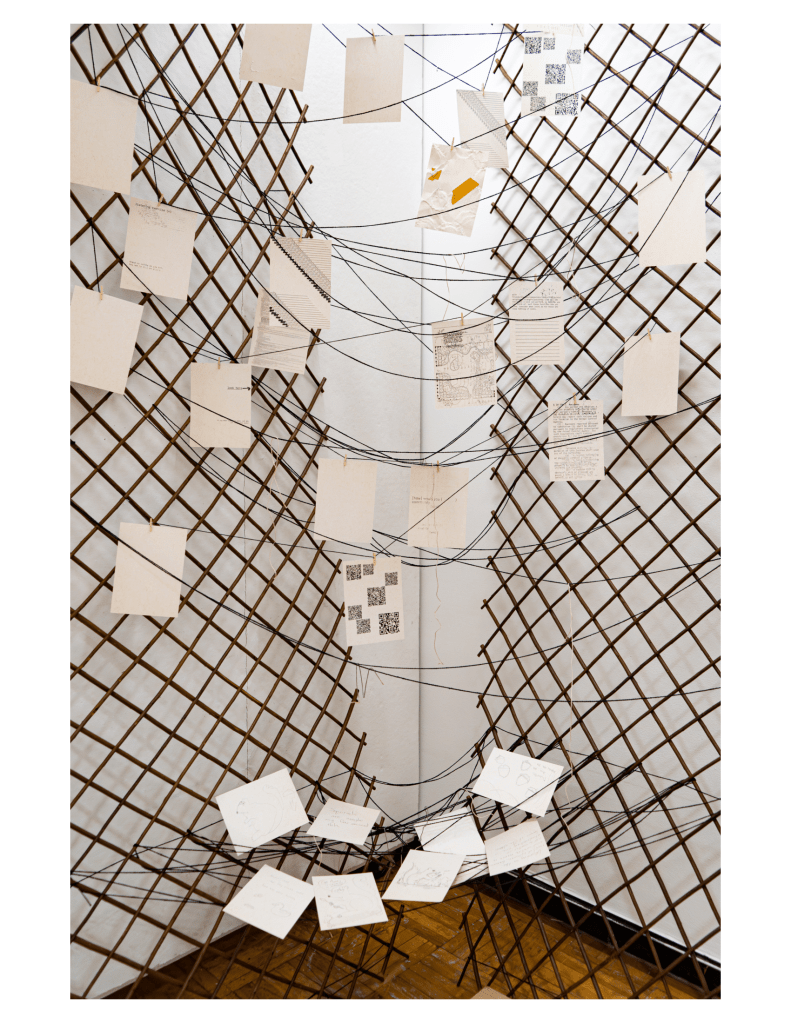
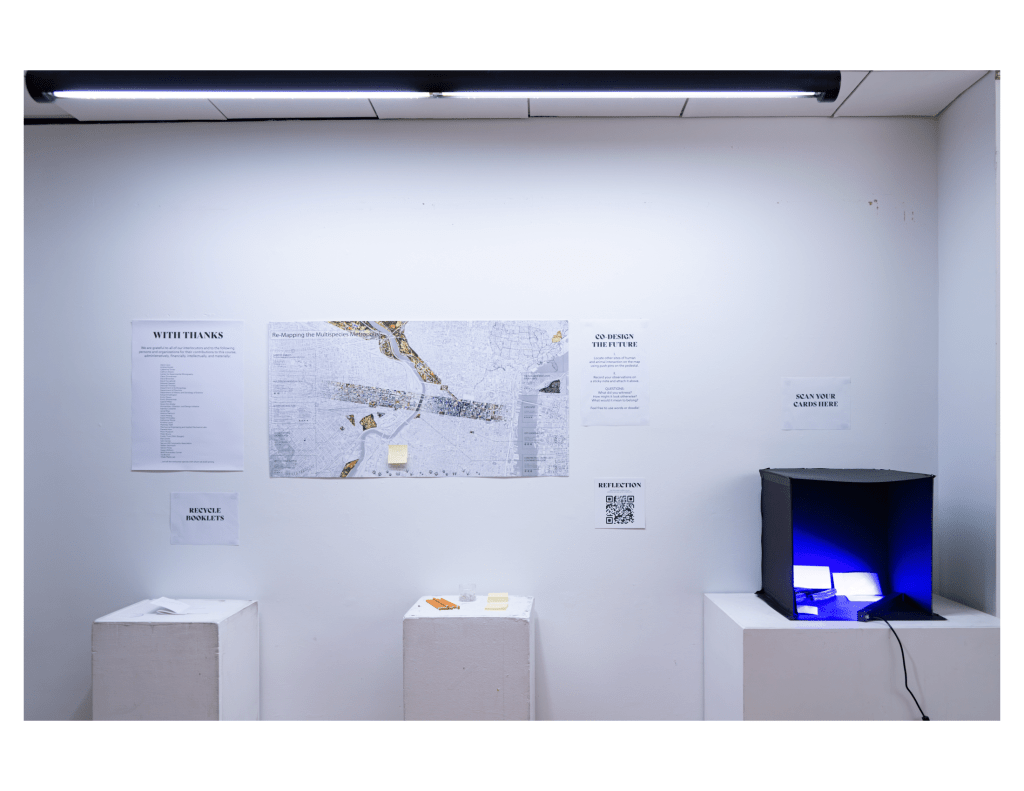
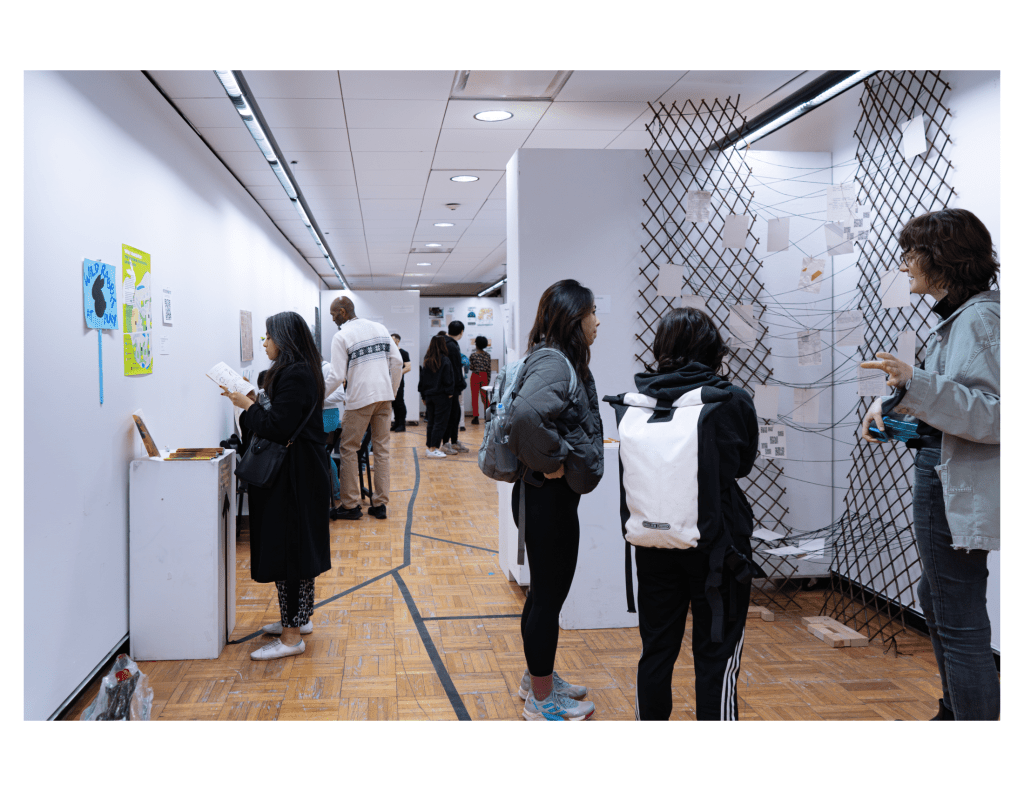
I offer one possible configuration of such creative maintenance practices through a series of site-specific “notes” that begin to imagine and co-produce what such community-building might look like. The pieces of paper that are on display here are intended to be placed at designated locations on the locked gates Squirrel Hill Falls, and represent processual work emergent from engagement with the myriad individuals and communities invested in the park—passerby, neighbors, residents, visitors, artists; nonhuman and human alike. Read variably as intermedia artifacts, movement exercises, event scores, public service announcements, instruction manuals, petitions, and/or performance scripts, these notes aim to provide a speculative model for replicable park maintenance habits that (re)negotiate—and attempt to remain cognizant of—the transspecies tensions engendered by the more-than-human urban landscape. As notes—brief, colloquial, transient, tonal—these practices are made tangible in a collection of starting points for the work of radical commons maintenance, where the concept of “maintenance” is called into question even as it is refigured and reoriented towards sensitive cohabitation.

June W. Clark
4 May 2023
[April 2023] @ “Speculating the Environment” – Pratt Institute – NYC
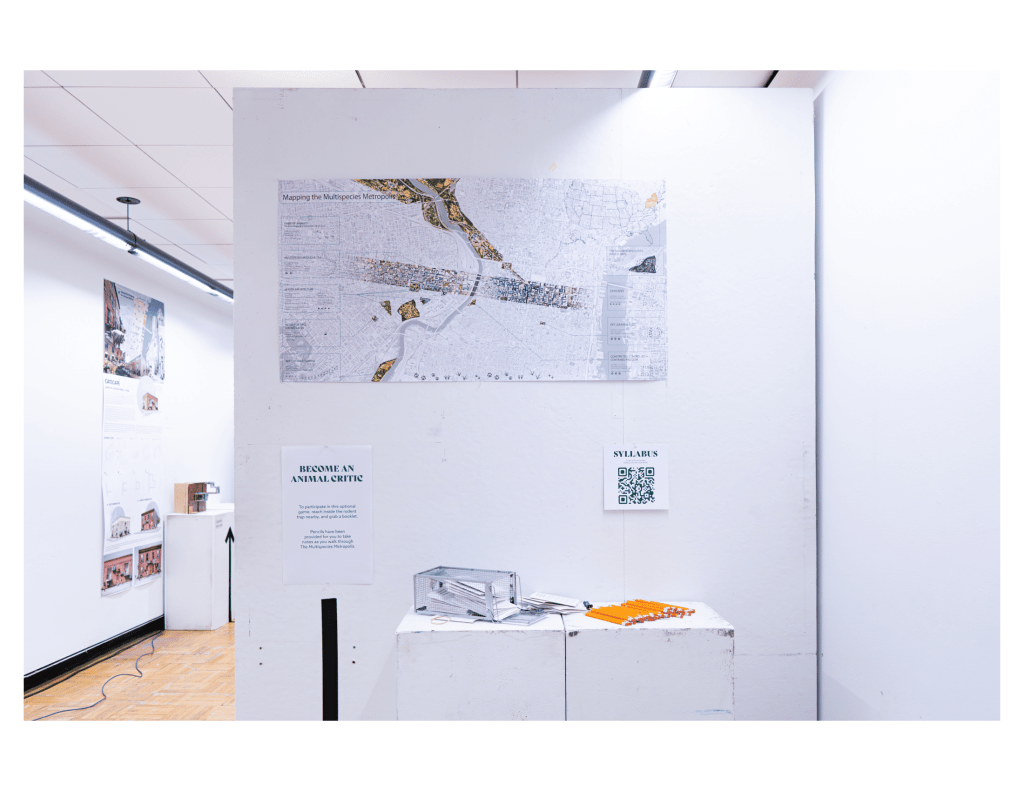
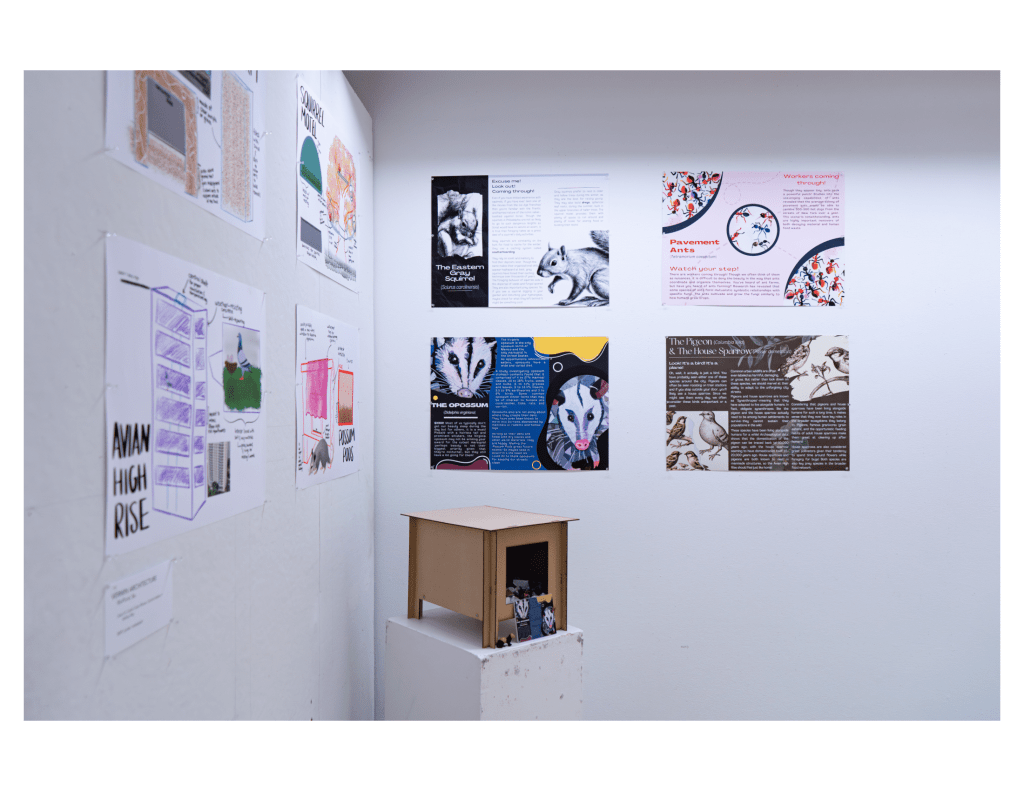
[May 2023] @ “The Multispecies Metropolis” – Stuart Weitzman School of Design, University of Pennsylvania – PHL
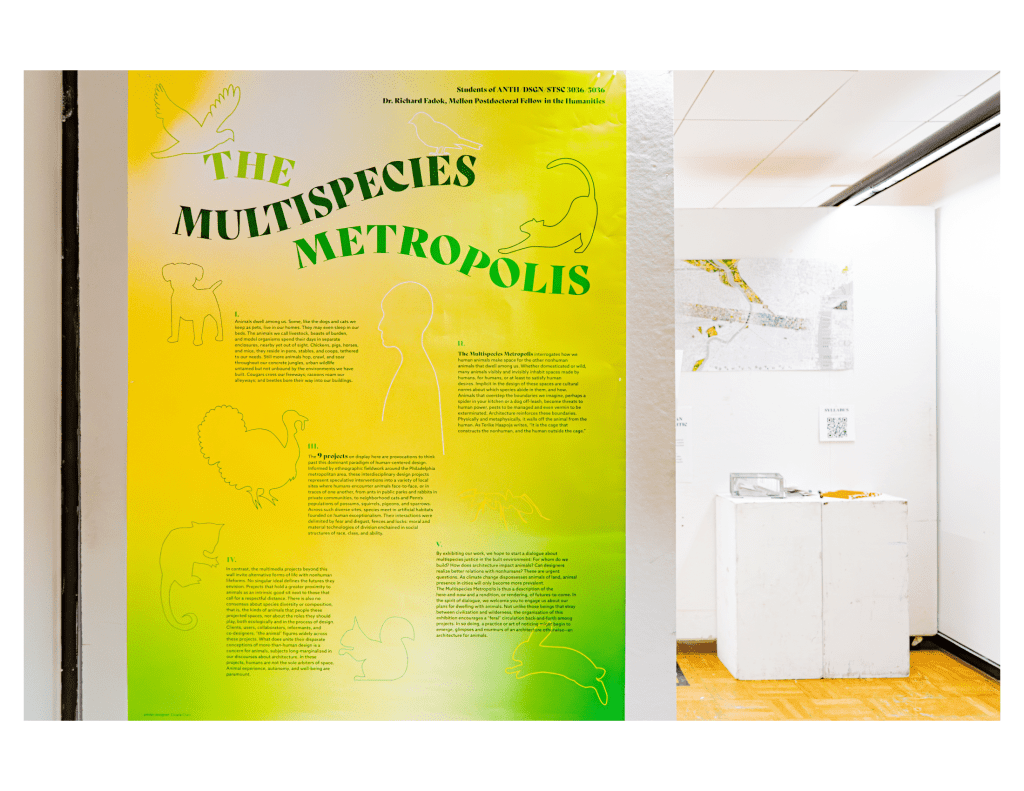
Read the introduction to the exhibition here:
retrospective
Squirrel Hill Falls
[more info coming soon]
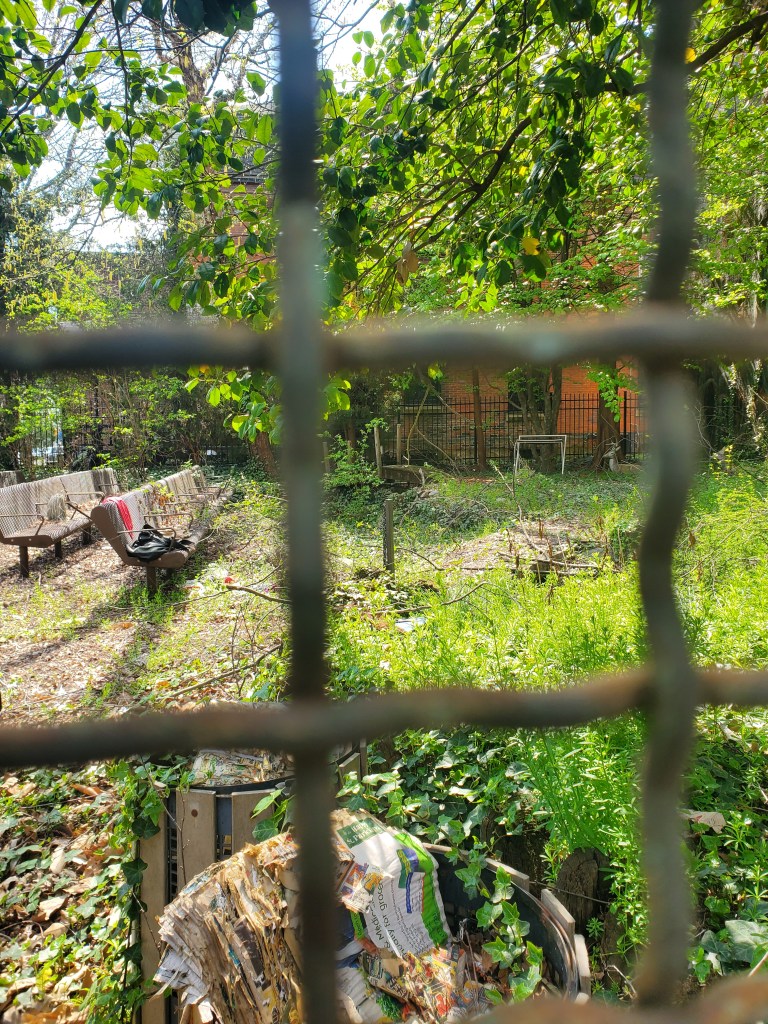
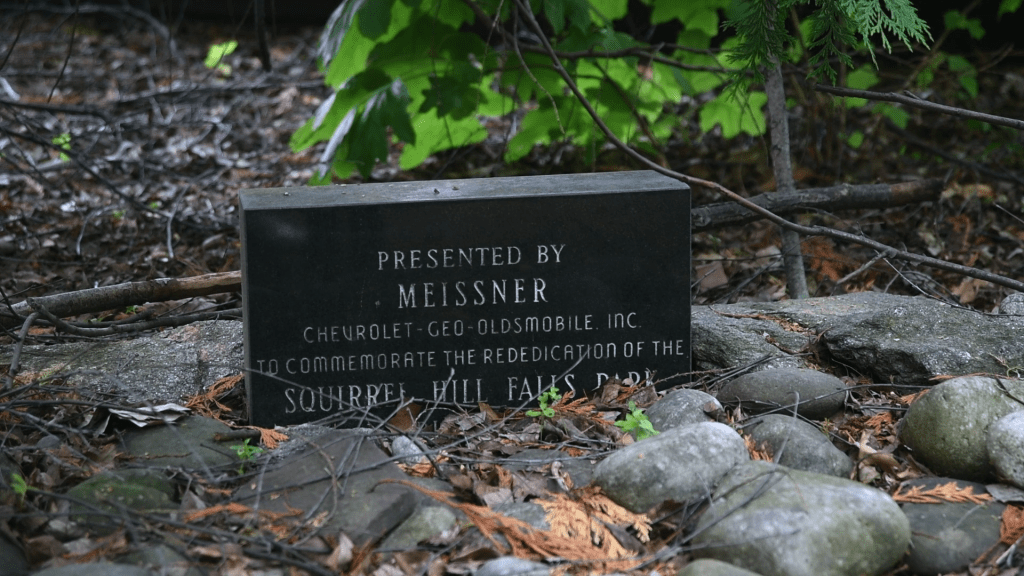
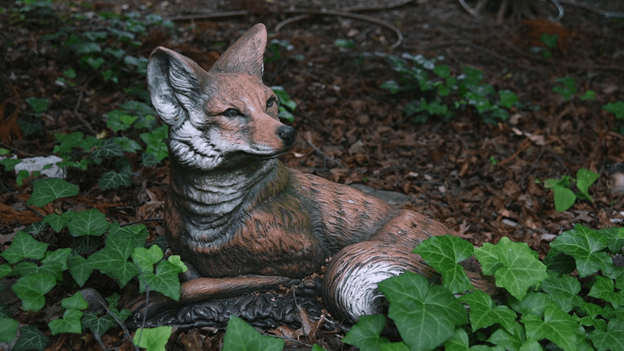
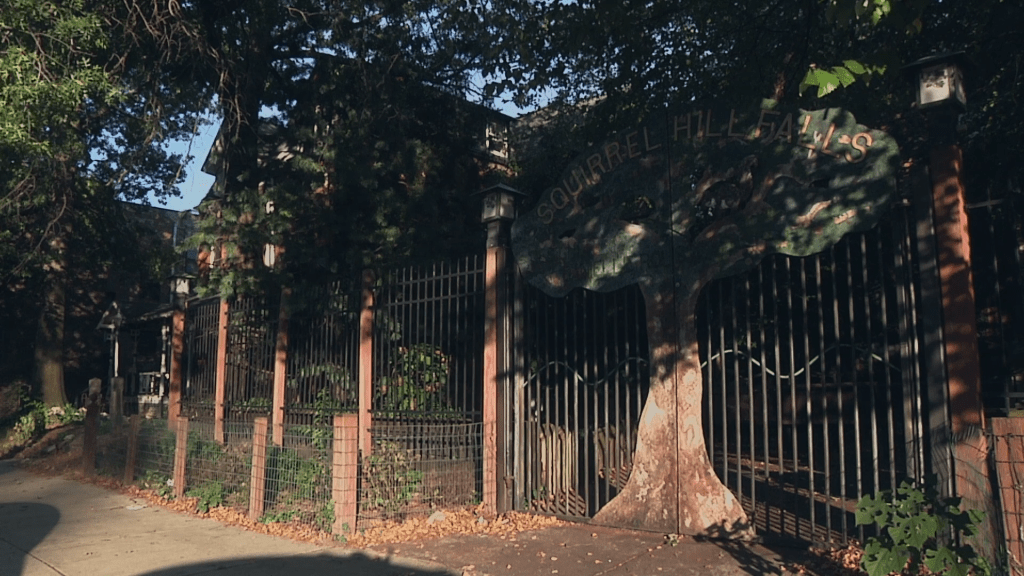
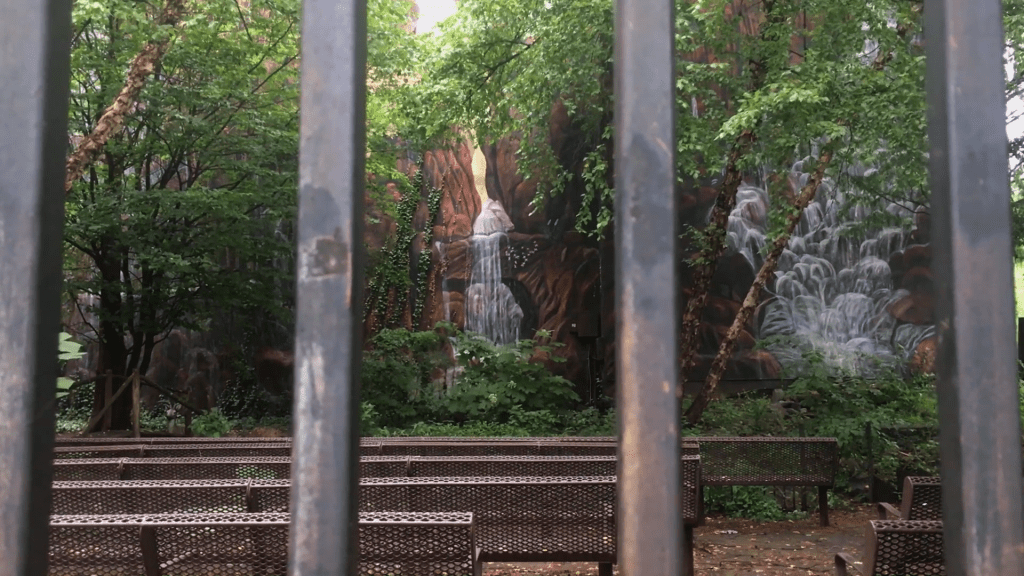
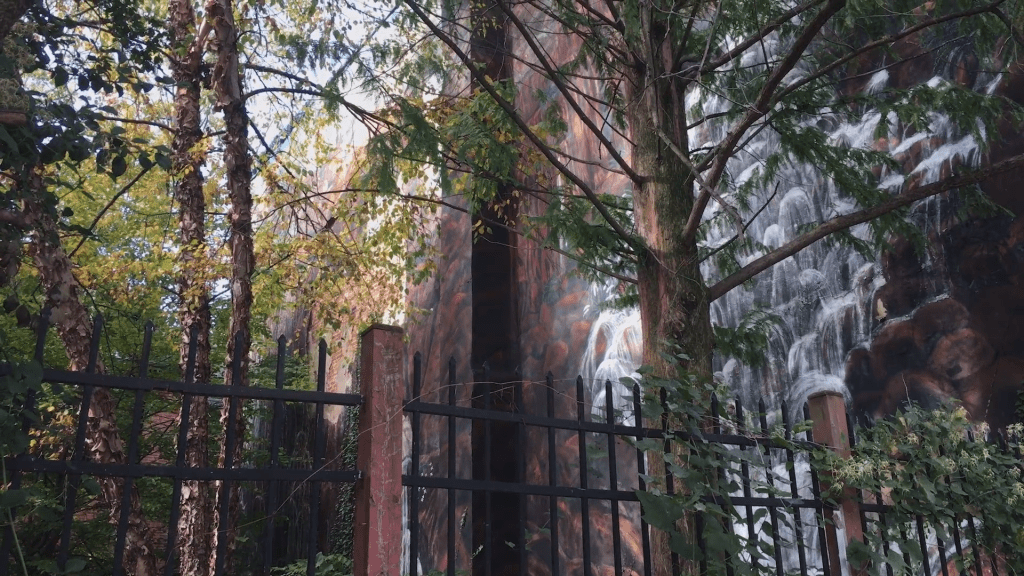
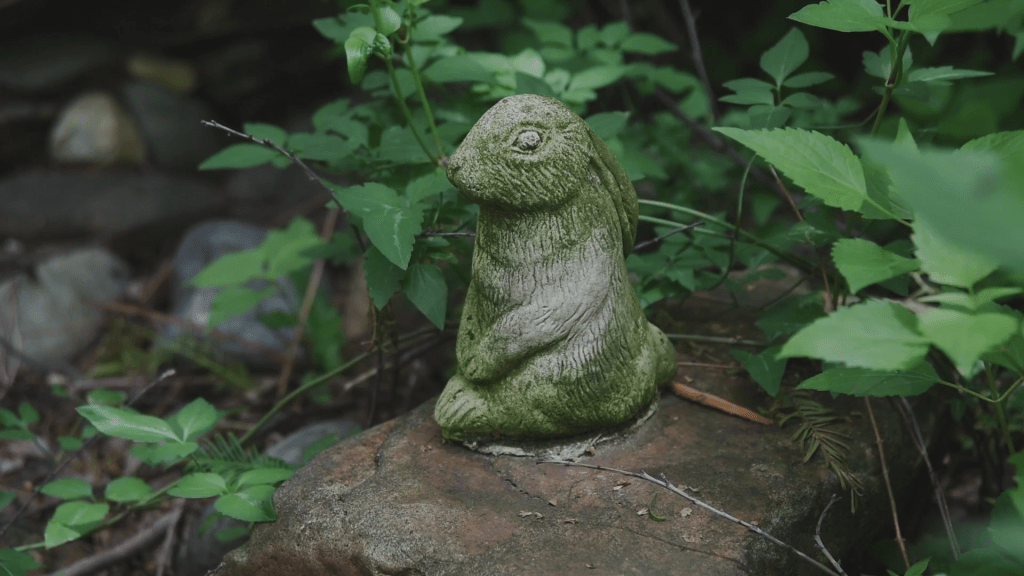
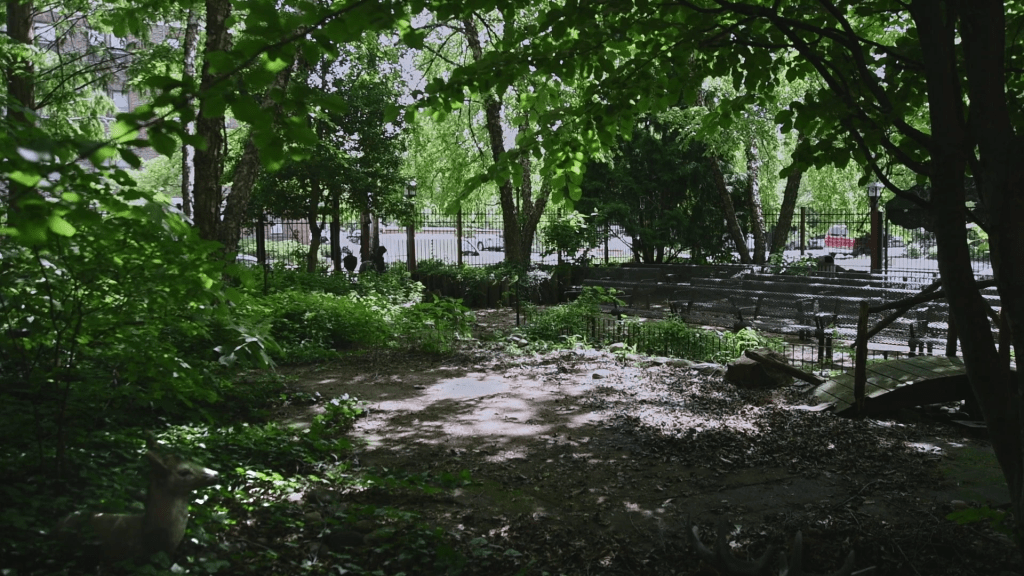
(Above): Stills from Hilary Brashear’s speculative documentary, Squirrel Hill Falls (2020)
[more info coming soon]
 juniper clark